To book an appointment, please call 040 48873001 for Dr. Swathi or 75698 65911 for Dr. Kaushik

- Email Us: ksclinics.hyd@gmail.com
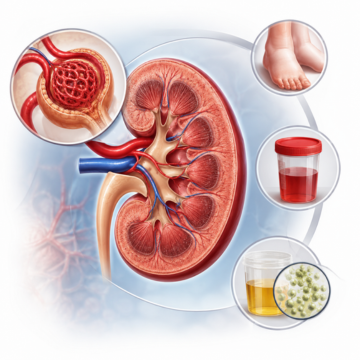
Early Diagnosis and Treatment for Glomerulonephritis
Glomerulonephritis refers to inflammation of the glomeruli, the tiny filtering units of the kidneys responsible for removing waste products and excess fluid from the blood. The condition may develop suddenly or progress gradually over time and can lead to significant kidney damage if left untreated. Patients commonly present with swelling of the face, feet, or legs, blood in the urine, frothy urine due to excess protein loss, high blood pressure, or reduced urine output. Early recognition of these symptoms and prompt medical evaluation are essential to preserve kidney function and prevent long-term complications.
Identifying the Cause is Key to Successful Treatment
Glomerulonephritis can occur due to autoimmune diseases, infections, immune-mediated disorders, systemic illnesses such as lupus, or as a consequence of other underlying medical conditions. Treatment begins with a detailed clinical assessment, blood tests, urine analysis, kidney imaging, and in selected cases, a kidney biopsy to determine the exact cause and severity of kidney involvement. Depending on the diagnosis, treatment may include blood pressure medications, immunosuppressive therapy, steroids, dietary modifications, and measures to reduce protein loss in the urine and control inflammation.
Protecting Kidney Function Through Long-Term Monitoring
Patients with glomerulonephritis require regular follow-up to monitor kidney function, blood pressure, urine protein levels, and response to treatment. Ongoing monitoring allows early identification of disease progression and helps guide adjustments in therapy when necessary. The primary goals of treatment are to control inflammation, preserve kidney function, prevent progression to chronic kidney disease, and reduce the risk of kidney failure requiring dialysis or transplantation. With timely intervention and appropriate medical care, many patients can achieve good disease control and maintain healthy kidney function for many years.
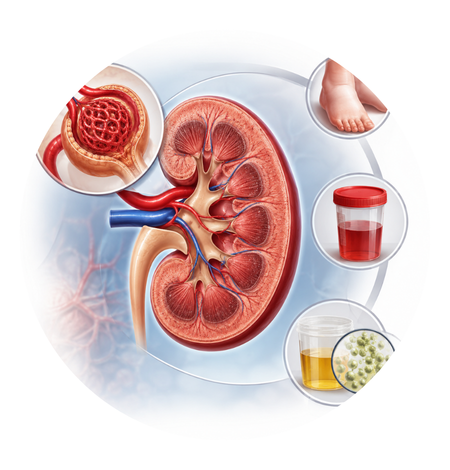
Understanding Glomerulonephritis Treatment
Early treatment helps protect kidneys from permanent damage
- Glomerulonephritis affects the kidney's filtering units called glomeruli
- Early diagnosis improves treatment outcomes and kidney preservation
- Symptoms may include swelling, blood, or protein in urine
- Untreated disease can lead to progressive kidney failure
- Treatment depends on the underlying cause and severity
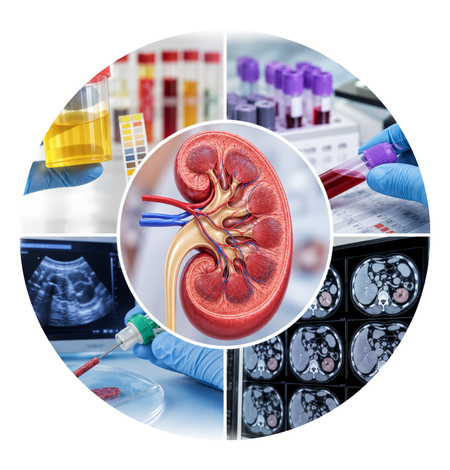
Comprehensive Evaluation to Identify the Underlying Cause
Accurate diagnosis guides treatment and improves long-term outcomes
- Autoimmune diseases are evaluated as potential causes
- Blood and urine tests assess kidney inflammation severity
- Kidney biopsy may help confirm the exact diagnosis
- Imaging studies assess kidney size and structure
- Treatment decisions depend on disease type and progression

Treatment Focused on Preserving Kidney Function
Managing inflammation reduces kidney damage and disease progression
- Blood pressure control helps protect kidney function effectively
- Medications reduce inflammation and immune system activity
- Dietary modifications support kidney health during treatment
- Protein loss in urine is carefully monitored regularly
- Early intervention reduces progression to chronic kidney disease
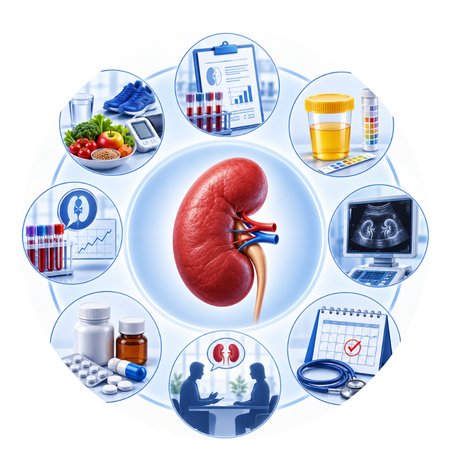
Long-Term Monitoring and Follow-Up Care
Regular monitoring helps maintain kidney health and treatment response
- Kidney function tests monitor disease progression closely
- Medication doses are adjusted according to clinical response
- Urine protein levels help assess treatment effectiveness
- Ongoing care supports long-term kidney function preservation
- Follow-up visits identify relapses at earlier stages
Our Expert Doctors
About Doctor

Nephrologist, Renal Transplant Specialist

Obstetrician, Gynecologist and Laparoscopic Surgeon
Location & Location Map
 Address
KIMS - Sunshine Hospitals,Metro Pillar No. C1327, beside Jamia Masjid, Prakash Nagar, Begumpet, Hyderabad 500003, Telangana
AddressRainbow Childrens Hospital Old MLA Quarters Rd, AP State Housing Board, Himayatnagar, Hyderabad 500029, Telangana
- Social Media Connect:


Working Hours
Contact Us
What We Offer
Contact Us
- Email: ksclinics.hyd@gmail.com
Social Media connect:


Website Powered by icareheal